 专注发泡胶整体解决方案
When adopting foam-in-place packaging, buyers often compare foaming machines carefully but purchase PU A&B raw materials casually. The result: insufficient foaming ratio, rough cell structure, weak cushioning — and even damage to expensive equipment. Here is a practical guide on how to choose and verify the quality of polyurethane A&B raw materials.
Understand the basics. Polyurethane foaming mixes Part A (white polyol component) with Part B (black isocyanate) in a set ratio; the chemical reaction expands and cures the foam rapidly. The quality of the A&B materials directly determines foam density, strength, resilience and environmental compliance.
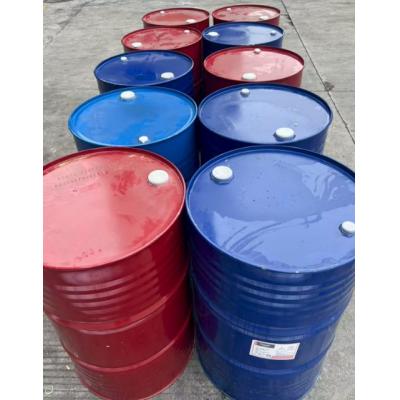
Tip 1: Check the cell structure. Mix a small sample of A and B at the correct ratio and observe the foaming process. High-quality material foams evenly with fine, dense cells; the cured foam is smooth and resilient. Low-quality material produces coarse, uneven cells with poor rebound and much weaker cushioning.
Tip 2: Test strength and dimensional stability. Press the cured foam to feel its strength — quality foam is elastic and compression-resistant. Let it sit to check for shrinkage; stable formulas do not shrink or crack, keeping packaging performance consistent.
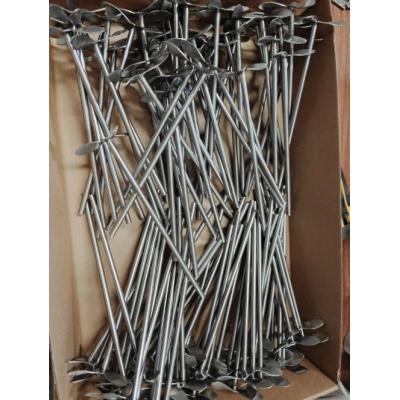
Tip 3: Verify environmental compliance. Reputable suppliers use fluorine-free formulas without recycled content, with no odor and RoHS compliance, making export shipment smoother. Request test reports and transport condition certificates from your supplier.
Additional selection notes:
First, match the formula to the application. Different densities and hardness suit different products — precision instruments need medium-high density for shock absorption, while light crafts need only low density. CosMolar recommends formulas based on product weight to avoid over- or under-protection.
Second, store materials properly. Keep A&B materials sealed in a cool, dry, ventilated place at 10–25°C, and use promptly after opening to prevent moisture absorption.
Third, do not compare price alone. Cheap materials have lower yield and higher waste, raising the real cost per cubic meter. Compare overall cost-effectiveness including foaming yield.
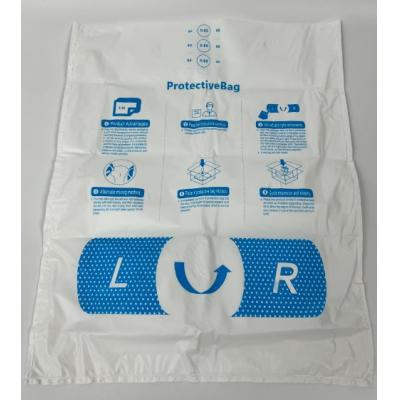
CosMolar, a source manufacturer of foam-in-place packaging, produces PU A&B raw materials, hand-pat foam bags, semi-automatic foaming machines and fully-automatic foaming machines, with stable formulas and timely supply. Ask for a small sample and run a foaming test before purchasing — seeing is believing.