 专注发泡胶整体解决方案
专注发泡胶整体解决方案
专注发泡胶整体解决方案
Nothing hurts a good product more than arriving damaged. A cracked housing, a shattered screen, a misaligned lens — these are not just logistics losses; they cost you refunds, replacements, and, most importantly, customer trust. Electronics and precision instruments are high-value, irregularly shaped, and highly sensitive to shock and vibration. The question is: how do you package them so they survive the journey intact? Foam-in-place packaging is one of the most effective answers.
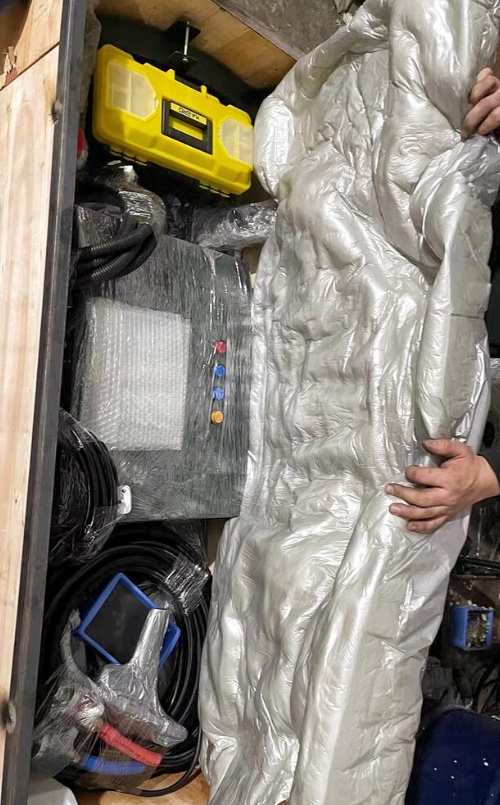
LCD screens crack under point impact. Optical lenses get scratched. Circuit boards suffer from vibration fatigue. Precision rails deform under pressure. Traditional packaging struggles with these products: pre-molded EPE foam requires a new mold for every design change; bubble wrap leaves corners unprotected; loose fill provides little real cushioning.
Foam-in-place (FIP) packaging solves this by custom-molding the cushion at the point of packing. Two liquid components — the A and B polyurethane chemicals — are mixed and dispensed into the carton, where the foam expands in about 30 seconds and wraps tightly around the product. Whether the item is square, round, or awkwardly shaped, the foam fills every gap and locks the product in the center of the box with 360-degree cushioning.
Perfect fit for irregular shapes. No molds, no tooling. The foam adapts to the exact contours of your product, supporting corners and overhanging parts that other materials miss.
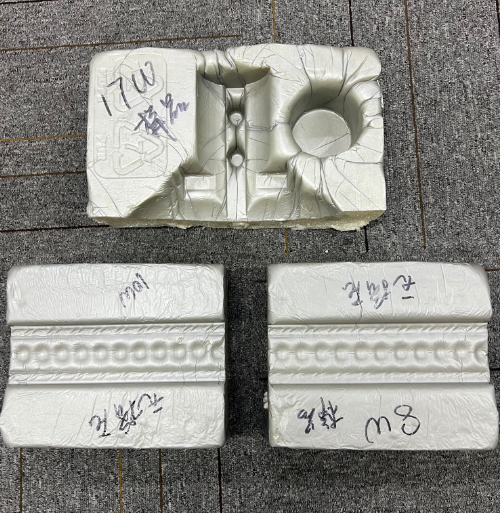
Superior shock absorption. Polyurethane foam absorbs and dissipates impact energy, protecting sensitive internal components during drops, sudden braking, and rough handling.
Zero inventory of packaging. Foam is produced on demand, when you pack. No stored cushions, no obsolete packaging when your product changes, no wasted warehouse space.
Moisture and dust resistance. With its closed-cell structure, polyurethane foam helps protect instruments from moisture and dust — especially valuable for sea and air freight export shipments.
Step 1 — Choose the right machine. For lower volumes or frequent product changes, a semi-automatic foaming machine (such as the CosMolar CM-811) offers flexibility and low investment. For high-volume, fixed production lines, a fully automatic machine (CosMolar CM-812) provides consistent mixing ratios and higher throughput.
Step 2 — Set up the packing process. Spray a foam base layer in the carton, position the product, then fill around and above it, close the box, and wait for the foam to cure. The whole cycle takes under a minute.
Step 3 — Validate with testing. Run drop tests or vibration tests before shipping to confirm foam density and dosage — neither too loose to protect nor too generous to waste material.
Check three things: chemical quality — stable A/B ratio and consistent foaming; machine reliability — accurate metering and smooth dispensing that protect both quality and material cost; and complete support — machine selection, process tuning, and after-sales training. CosMolar, a source manufacturer of foam-in-place packaging, supplies semi-automatic and fully automatic foaming machines along with polyurethane foam chemicals and hand-actuated foam bags. Many electronics, instrumentation, automotive parts, pump and valve manufacturers use CosMolar solutions and validate them with real product sampling before committing.
Shipping damage is usually a packaging problem, not a logistics problem. For electronics and precision instruments, foam-in-place packaging delivers a custom fit, reliable cushioning, zero inventory, and moisture protection — with drop testing to catch problems before they leave your plant. If damage is costing you money, start with a simple sampling test on your own product and compare the results.
Prices are for reference only; final quotes are provided by our sales team. For inquiries, please contact CosMolar: Tel +86-400-812-0328 / +86-0755-27807490, website https://www.cosmolar.com/