 专注发泡胶整体解决方案
专注发泡胶整体解决方案
专注发泡胶整体解决方案
When it comes to foam-in-place packaging, chemical storage is easy to overlook — and easy to get wrong. Poor storage of polyurethane A/B components can ruin foam quality, waste material, and even create safety hazards. As temperatures drop, crystallization of the isocyanate component is one of the most common problems in packing rooms. Here is a practical storage guide worth sharing with your warehouse and operators.

Foam-in-place polyurethane has two components: the A component (often called the "black" material) is mainly isocyanate; the B component ("white" material) is a polyol blend with blowing agents. When mixed in the right ratio, they react rapidly and expand into foam. Stored separately, both are stable — so the golden rules are: store separately, keep sealed and dry, and control temperature.
Polyurethane raw materials should ideally be kept at 10°C to 25°C, away from direct sunlight, heat sources, and open flames.
If it is too hot, blowing agents in the polyol can evaporate, raising drum pressure and degrading foam quality when the drum is opened. If it is too cold, the isocyanate can crystallize — sugar-like solids form at the bottom of the drum, clogging pumps and hoses so the machine cannot run.
Important: never heat a crystallized drum with an open flame or direct heat. Melt it at 70°C to 80°C and mix thoroughly before use — a job for trained personnel. Prevention is far easier than correction.
Isocyanate reacts aggressively with water, forming insoluble solids that can ruin the chemical or create hazards. Follow these rules:
1. Keep drum lids closed. Seal the drum immediately after every use.
2. Store in a dry area. Use pallets to keep drums off damp floors.
3. Wrap the connection between the drum opening and the pump inlet with waterproof tape or stretch film. When the pump draws material, air enters the drum; humid air is a major cause of A-component crystallization. Sealing the connection significantly extends the usable life of the chemical.
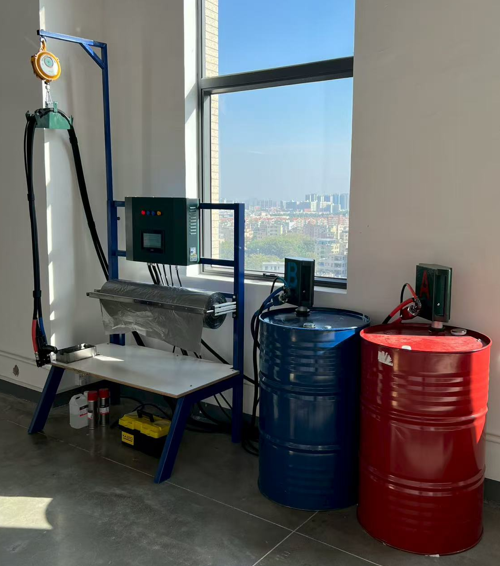
Polyurethane chemicals have a shelf life. Register batches on arrival and follow first-in, first-out rotation. If the polyol thickens or the isocyanate changes color, run a small test batch to confirm foaming quality before using the full drum.
Q: There is white sediment at the bottom of the isocyanate drum — is it ruined?
It is most likely low-temperature crystallization, not waste. Heat it to 70–80°C, mix thoroughly, and test a small batch before use.
Q: The polyol drum is bulging — can we still use it?
Pressure has built up from evaporating blowing agents. Release pressure carefully, test foam quality, and replace the material if it has degraded significantly.
Q: Foam quality drops in winter?
Check the chemical temperature first. If it is below 10°C, warm the drums in the storeroom or preheat them to reach proper dispensing temperature.
Store A/B chemicals dry, sealed, and within 10–25°C, and rotate stock first in, first out. These small habits save material costs and keep foam quality consistent. CosMolar, a source manufacturer of foam-in-place packaging, supplies polyurethane foaming machines, foam chemicals, and hand-actuated foam bags — and our technical team is happy to advise on chemical storage and equipment maintenance.
Prices are for reference only; final quotes are provided by our sales team. For inquiries, please contact CosMolar: Tel +86-400-812-0328 / +86-0755-27807490, website https://www.cosmolar.com/