 专注发泡胶整体解决方案
Foam-in-place packaging is a chemical process as much as it is an equipment purchase. The machine meters and mixes two reactive components; the material determines how the foam expands, cures, and protects. If machine and material come from different suppliers with no shared technical responsibility, a problem is easy to argue about and hard to solve.
That is why many buyers prefer to source from a manufacturer. A source manufacturer of foam-in-place packaging controls both the equipment and the chemical formulation, so the machine and the material are tested to work together. You also get direct technical support from the people who built the system, rather than a reseller relaying questions to a factory on another continent.
When evaluating a supplier, look for a full range rather than a single machine. A practical product line includes:
Semi-automatic foam packaging machines, for flexible, operator-driven packing of varied products.
Fully automatic foam packaging machines, for high-volume, standardized packing lines with minimal labor.
Polyurethane foam AB material (black and white material), supplied in the correct ratio and container sizes for your consumption level.
Hand-inflated foam bags, a low-cost way to adopt foam-in-place without machine investment.
Foam packaging film, used as a release layer and bag material for machine dispensing.
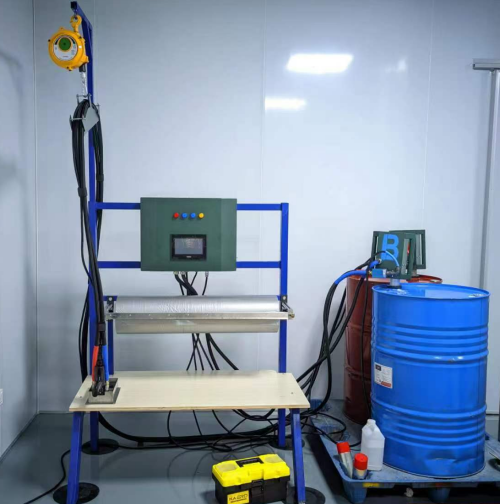
When one supplier covers the whole range, you can start small with hand-inflated foam bags and upgrade to a semi-automatic or fully automatic machine later — without changing your material supplier or re-qualifying the foam chemistry.
Buyers usually come to us with one of a few recurring problems:
Damage during transit. Fragile or irregular products arrive damaged despite expensive over-packaging. A custom-fit foam cushion eliminates the gaps that cause shifting and impact.
Too many packaging materials in stock. A warehouse full of different inserts, corner blocks, and fillers — most of them unused. Foam-in-place replaces a dozen materials with one system.
High labor cost per package. Manual wrapping takes minutes per package. Machine-based dispensing cuts the time to seconds and removes the skill variation between operators.
No room for packaging inventory. Foam components are compact compared to pre-formed inserts, and the cushion is produced at the moment of packing, so nothing sits on a shelf waiting for an order.
Based on years of working with packers, these are the mistakes we see most often:
1. Comparing only machine prices. The machine price is a fraction of the total cost of running a foam packaging operation. Compare material consumption, foam quality, after-sales response, and training support. A machine that is slightly more expensive but consumes less material per package will win on total cost quickly.
2. Ignoring AB ratio and material consistency. The A and B components must be metered accurately and consistently. Poor-quality material with unstable ratio behavior produces foam that is too soft, too brittle, or inconsistent from batch to batch. Ask the supplier how they control formulation consistency.
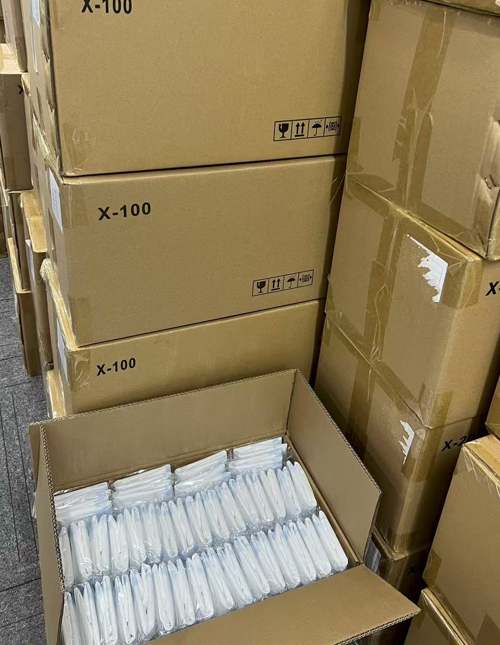
3. Skipping storage planning. Polyurethane foam materials need proper storage. The A component, for example, can crystallize if moisture gets in — which is why the red bucket opening and the connection point with the material pump should be wrapped with waterproof tape or stretch film to reduce air flow. A supplier who explains these details before you buy is a supplier who understands your daily operation.
4. Ordering on price alone without a trial. Every product is different. A serious supplier will ask about your products, volumes, and packing process before recommending a machine, and should be willing to work with you on a trial or sample test. If a quote arrives without a single question about your products, treat it with caution.
5. Overlooking after-sales and training. Foam dispensing machines are chemical metering systems. Operator training, spare parts availability, and responsive technical support determine how long your line stays running. Confirm what is included before you sign.
A transparent sourcing process usually follows these steps:
1. Inquiry and product discussion. You describe your products, volumes, and current packing problems.
2. Recommendation. The supplier recommends the machine type and material grade that fit — hand-inflated foam bags, semi-automatic, or fully automatic.
3. Trial and testing. You verify foam quality and packing results with your own products.
4. Production and shipping. Equipment and materials are produced, inspected, and shipped with clear documentation.
5. Installation support and training. The supplier guides installation, calibrates the AB ratio, and trains your operators.
6. Ongoing support. Material reorders, spare parts, and technical questions are handled directly by the manufacturer.

Buying foam-in-place packaging is a long-term decision, not a one-time purchase. Work with a source manufacturer who controls both machine and material, explains storage and handling clearly, and supports you after the sale. Cosmolar — a source manufacturer of foam-in-place packaging — offers semi-automatic and fully automatic foam packaging machines, polyurethane foam AB material, hand-inflated foam bags, and foam packaging film, with engineering support at every step.
Prices are for reference only; final quotes are provided by our sales team. For inquiries, please contact Cosmolar: Tel +86-400-812-0328 / +86-0755-27807490, website https://www.cosmolar.com/