 专注发泡胶整体解决方案
Foam packaging sampling has one goal: verify with your real product that the packaging holds it firmly, survives drops and fits the carton. The standard flow has six steps — discuss requirements, send a sample or dimensions, have the factory test-pack, run a drop test, revise, then do a small trial run. Customers only need to do three things: provide the product (or accurate size and weight), state the drop height and shipping mode, and feed the test results back. This article explains what to check at every step and how to approve a sample.
Packaging is something that "touches" the product, and drawings or photos cannot show how well it fits or cushions. Foam-in-place forms around the real product, so only a trial pack with the actual item reveals whether the foam is thick enough, where to add material and whether loading is smooth. Sampling costs little; rework costs a lot — fixing the design at the sample stage saves far more than fixing it after mass production. This is why reliable source factories always say "sample first, order later."
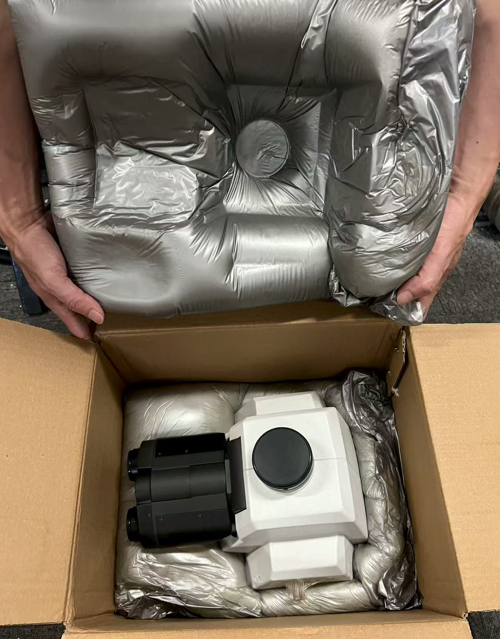
1. Discuss requirements: what the product is, how it ships (parcel, air or sea), what it is sensitive to (shock, moisture or static), batch size and budget;
2. Send a sample or details: ideally ship the real product; if not, give dimensions, weight, material photos and the center of gravity;
3. Factory test-pack: the factory packs your product and shows the foam fit and cushion thickness;
4. Drop test: set the drop height by shipping mode (around 60-90 cm for parcels, around 120 cm for warehousing and sea freight) and let the data speak;
5. Revise and confirm: where the fit is loose or protection is weak, the factory adjusts the design and re-samples until you are satisfied;
6. Small trial run: after approval, run a small batch to verify density, efficiency and consistency before scaling up.
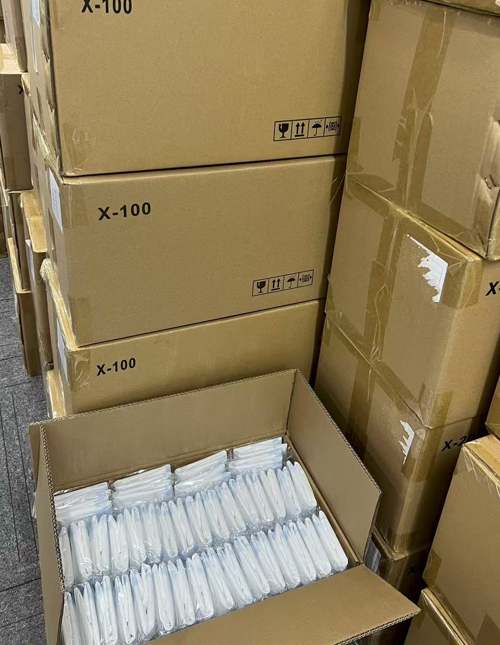
Sampling is not a one-way job — when the customer cooperates well, the sample is right the first time:
1. Provide the product or accurate specs: dimensions, weight, center of gravity and fragile spots; a real sample is always best;
2. State the shipping mode and drop height: parcels, air and sea freight produce very different impacts, and this directly decides cushion thickness and material choice;
3. Do a real trial pack and drop test on receipt: feed the results back to the factory — do not judge by looks alone; what matters is that the product fits, does not move and loads easily.
1. Fit: the product sits in without shaking and comes out without force;
2. Cushion thickness: enough foam around corners, edges and the center of gravity;
3. Drop test: three or more drops from the agreed height — no damage to the product and no cracking of the foam;
4. Loading ease: workers can pack and unpack smoothly without slowing down the line. When all four pass, the design is confirmed.
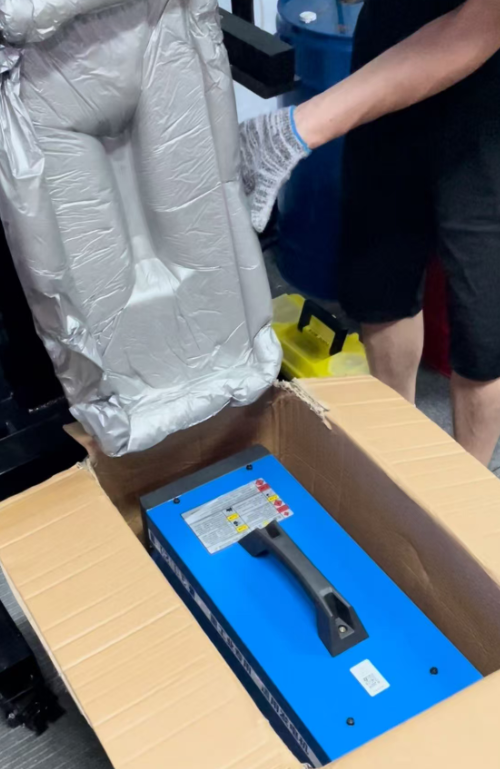
For timing, routine samples take about 3-7 days, and complex irregular products may need 1-2 days more — this is the common industry standard. For cost, reputable source factories support free sampling, usually with the customer paying freight, so the trial barrier stays low. To judge whether a factory is dependable, do not look at whether sampling is free — look at three things: whether the sample uses your real product, whether they provide drop-test data, and whether the design can be revised in rounds.
Q: Can I sample from drawings instead of sending the real product?A: A first concept can be assessed from drawings, but the final fit must be confirmed with the real product — send a sample whenever possible.
Q: What if I sample and then decide not to order?A: No problem at all. Sampling is a two-way screening process; factories want you to be fully satisfied before ordering, not to regret it later.
Q: Do I have to run the drop test myself?A: Either way works — the factory can run it and share the data remotely, or ship the sample for you to test. But the test must happen.
Q: Is the small trial run really necessary?A: Strongly recommended. A trial run before mass production exposes density and efficiency issues early and prevents a full-scale surprise.
Sampling is the step where you spend a little to save a lot: verify with the real product, stabilize the design, and then scale up — with fewer breakages and fewer reworks. CosMolar, the source factory for foam-in-place packaging, offers free sampling: bring your product for a trial pack and a drop test, and confirm the design only when you are satisfied. Sampling and test data are shared with you.
Prices above are for reference only; the final quote comes from our sales team. For inquiries, contact CosMolar: 400-812-0328 / +86 755 2780 7490, official website https://www.cosmolar.com/