 专注发泡胶整体解决方案
专注发泡胶整体解决方案
专注发泡胶整体解决方案
Elbows, flanges, precision instruments, molds with odd protrusions — irregular parts are the hardest items to protect in shipping because standard cushioning never fits. Foam-in-place packaging solves this: liquid polyurethane A/B chemicals expand inside the box and form foam right around your product. The foam takes the shape of the part, wraps it 360 degrees, and needs no mold and no pre-cut inserts. Here is how to package irregular parts properly and which tool fits your volume.
Irregular parts break the rules of standard cushioning in three ways:
- Poor fit: flat foam sheets and bubble wrap only cover the general outline. Gaps stay empty, the part shifts during transport, and all impact lands on weak points.
- Expensive to prep: custom foam inserts require a mold per part. Molds cost thousands, and every design change makes them worthless.
- Hard to protect: precision instruments and finished surfaces either get scratched by loose fill, or pressed by fill packed too tight.
What irregular parts really need is cushioning that "grows" around them.
The principle is simple: two polyurethane chemicals (A and B) mix and expand rapidly, filling every gap in the box. While expanding, the foam shapes itself against the product surface. Once cured, it is a custom-fit cradle that locks the part in place.
Three steps to pack:
1. Base layer: inject foam into the bottom of the box first. When it is semi-cured, place the product on top so the base fits the part's shape.
2. Fill the sides: inject foam into the gaps around the product. Estimate about two-thirds of the void volume — the expanding foam fills the rest.
3. Top layer and close: cover with film, inject a final layer, close the carton, and let it cure for about 8-15 minutes depending on room temperature.
Elbows, flanges, non-standard molds and precision instruments all work this way. For parts with high surface finish, wrap a film layer first so the foam never sticks to the surface.

| Shipping volume | Best tool | Why |
|---|---|---|
| Samples, urgent orders, small batches | Hand-activated foam bags | No equipment, press to activate, low cost per bag |
| Medium batches, many SKUs | Semi-automatic foam machine | Automatic A/B ratio, stable output, one operator, 40-80 packs per hour |
| High volume, production line | Fully automatic foam machine | Continuous output, best for line work, consistent quality |
Match the machine to the order volume, not to the price tag. Start with hand-activated bags, move up when volume is stable, and go fully automatic only when the line needs it.
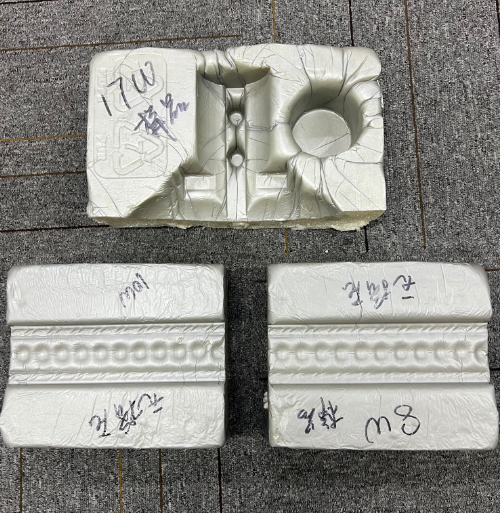
For high-value irregular parts, add these details:
1. Film first: cover the product with a separation film before foaming, so foam does not stick to the surface or pull at the coating.
2. Moisture protection: add desiccant and a moisture barrier in the box; keep metal parts away from direct carton contact.
3. Drop-test before shipping: test at 60, 90 and 120 cm on each face and corner. Density and fill volume are judged by real results.
4. Keep chemicals dry: store A/B chemicals at 10-25°C. Wrap the red drum (A component) outlet where it meets the pump with waterproof tape or stretch film to prevent moisture and crystallization. Stable output starts with stable storage.
Q: How large can a hand-activated foam bag pack?A: Standard bags cover small and medium parts. For large items, use a foam machine with film to form the cushion in the box.
Q: Does the foam stick to the product?A: No, when a separation film is used first. This is standard practice.
Q: Do I waste foam when specifications change often?A: No. Foam is made on demand — you only use what you need, and one set of chemicals works for every size.
Q: Is foam-in-place safe for precision instruments?A: Yes, with film, moisture protection and drop tests. Many instrument manufacturers use it, and ISTA drop-test passes are common.
Do not fight the shape of irregular parts — use cushioning that conforms. Foam-in-place wraps elbows, flanges and precision instruments tightly, needs no mold, and scales from hand bags to automatic machines as your volume grows. CosMolar, the foam-in-place packaging source manufacturer, supplies hand-activated foam bags, semi-automatic and fully automatic foam machines, A/B chemicals and film in one stop, with free sample trials. Send us your part, run a drop test, and see the fit and the cost yourself.

Prices are for reference only; final quotes are provided by our sales team. For inquiries, contact CosMolar at 400-812-0328 / 0755-27807490, or visit https://www.cosmolar.com/