 专注发泡胶整体解决方案
专注发泡胶整体解决方案
专注发泡胶整体解决方案
For exporters, packaging materials have become one of the first compliance checkpoints. More and more buyers ask before ordering: is your polyurethane foam environmentally friendly? Do you have a RoHS report? Does it meet REACH? The careful ones even ask about A/B component ratios and transport appraisal certificates. Environmental compliance for packaging has moved from a bonus to an entry ticket. This guide explains the standards that matter for PU foam adhesive and foam-in-place materials, so buyers can source with confidence.
Polyurethane foam adhesive (also called PU black-and-white material) is formed by reacting MDI with polyether polyol. Whether it is eco-friendly depends on three things: whether restricted hazardous substances are present in the formula, whether the cured foam can be recycled, and whether transport and use are compliant and safe.
Mainstream foam-in-place polyurethane today uses CFC-free formulas that do not harm the ozone layer, and the cured foam is recyclable. CosMolar's materials use a CFC-free formula and comply with REACH requirements, addressing environmental concerns at the source.
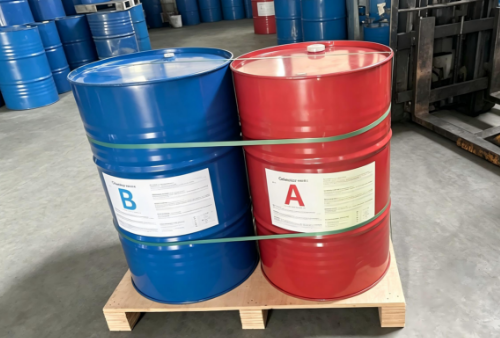
Two terms appear most often in sourcing conversations:
RoHS: restricts hazardous substances such as lead, mercury and cadmium, mainly in electrical and electronic products. When packaging travels with electronics to the EU, buyers often request a RoHS test report to confirm no restricted substances exceed limits.
REACH: the EU chemicals regulation covering registration, evaluation, authorization and restriction of chemicals. For polyurethane materials, REACH compliance means substances of very high concern (SVHC) stay within permitted levels.
The two serve different purposes, but both are common "passports" for EU-bound goods. Always ask suppliers for the actual test reports — never rely on verbal promises.

Beyond certifications, ask these three questions before purchasing PU foam adhesive or protective foam materials:
1. Are the reports complete? RoHS, MSDS (CN & EN) and transport appraisal certificates should all be available, covering sea, air and road;
2. Is the ratio standardized? The A/B ratio determines foam density (CosMolar offers 6/17/23 kg/m³) and cushioning performance — the supplier should provide standard ratio documentation;
3. Is sample testing supported? Test the cushioning effect, density and reports with samples first, then buy in bulk with minimal risk.
As a foam-in-place packaging source factory, CosMolar's compliance evidence is complete and verifiable: core consumables pass EU RoHS testing (CTI Huace 2025.09, reports in Chinese and English); 2026 transport appraisal certificates for sea, air and road are complete for polyether polyol, MDI and gun-flush solvent (issued by Shanghai SICIT, all non-restricted cargo); CN & EN MSDS are available with shipments. CosMolar is a National High-Tech Enterprise (Cert. No. GR202344206404) holding multiple patents in foam formulas and foam equipment.
When sourcing logistics protective polyurethane foam materials, verify both compliance and strength. Send your product details to CosMolar — the foam-in-place packaging source factory — for free sample testing, and request the full documentation set. Hotline: 400-812-0328. Website: https://www.cosmolar.com/