 专注发泡胶整体解决方案
Export orders fail in the last mile when the buyer asks for compliance documents and the supplier cannot produce them. Polyurethane foam chemicals, hand-tear foam bags and PE film come into direct contact with products, so overseas buyers increasingly require RoHS reports, transport appraisals and MSDS as part of their supply-chain due diligence. CosMolar has now completed EU RoHS testing for its core foam materials, further strengthening our export documentation package.
Why RoHS matters for foam packaging materials
RoHS (Restriction of Hazardous Substances) sets EU limits on lead, mercury, cadmium, hexavalent chromium, PBB and PBDE. While foam packaging consumables are not electronic devices themselves, they travel with the product and touch it directly — so more and more overseas buyers request a RoHS report as evidence of environmental compliance and responsible sourcing.
CosMolar's RoHS test details
CosMolar's core foam materials have passed EU RoHS testing, with the report issued by CTI (Centre Testing International) in September 2025, available in both Chinese and English. The results comply with RoHS limits, and the report can be provided directly to customers as evidence of compliance.
Export compliance is more than RoHS: three documents, one package
RoHS answers “is the material safe?” — transport and chemical management require two more documents:
1. Transport appraisal certificates: polyether polyol, MDI and flushing solvent TPM have obtained 2026 appraisals for road, sea and air transport, issued by SICIT (Shanghai Research Institute of Chemical Industry Testing). All three are classified as non-restricted goods with no dangerous-goods identification, so customs clearance and shipping run smoothly
2. MSDS (Material Safety Data Sheets): complete Chinese and English versions (issued by AZT Shenzhen), supplied with shipments for storage, handling and destination customs reference
3. RoHS test report: Chinese and English versions (issued by CTI), proving environmental compliance of the consumables
Together, the three documents cover the full chain — material compliance, transport compliance and handling compliance — so whatever export documentation the customer needs, CosMolar can provide.
What this means for overseas customers
For international buyers, these documents deliver three things. First, compliance risk is addressed up front — the supplier prepares the certifications before shipping, not after the request. Second, supply-chain stability — materials ship as non-restricted goods by sea or air, so lead times are dependable. Third, lower trust cost — receiving test reports directly from a source factory is far more reliable than through layers of intermediaries.
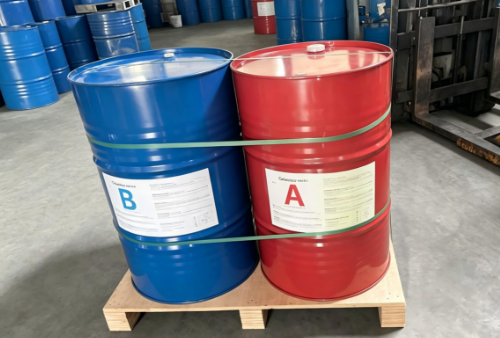
CosMolar is a source factory for foam-in-place packaging, headquartered in Shenzhen with production in Foshan, serving global customers B2B. From hand-tear foam bags, A/B foam chemicals to semi-automatic and fully automatic foam machines, the product line is complete and export compliance documents are ready to share. Visit https://www.cosmolar.com/ to request reports and samples.