 专注发泡胶整体解决方案
The EU Packaging and Packaging Waste Regulation, commonly known as PPWR, sets new expectations for packaging design, material efficiency, and end-of-life handling. Exporters shipping products to EU markets should understand how cushioning materials such as foam fit into these rules, so the packaging can stay compliant as the requirements roll out.
What PPWR Focuses On
The regulation pushes toward packaging minimization, material efficiency, and packaging that is easier to handle at end of life. It also expects clearer labeling and marking, and it discourages over-packaging such as excessive void fill and oversized boxes around small products. Compliance is built partly into the pack design stage rather than added at the shipping stage.
How Foam Cushioning Is Positioned
On-demand dispensed foam is used only in the amount needed to fit the product outline, which keeps cushioning material lean compared with oversized preformed foam blocks. A fitted foam-in-place pack can replace layers of loose void fill and reduce the overall packaging mass. At end of life, used polyurethane packaging foam is not treated as a recyclable material; in practice it is recovered and sent to incineration for energy recovery. Material traceability and supplier documentation still matter for audits.
Practical Steps for Exporters
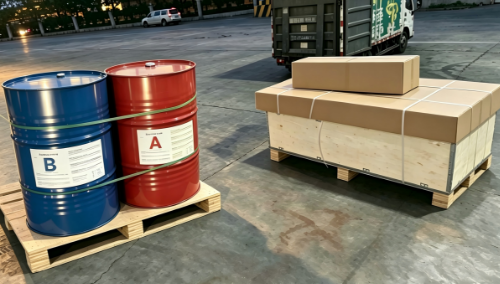
Review current packs for over-packaging and unnecessary void fill, and match carton size to product size rather than using one oversized box for everything. Keep material documents such as RoHS reports and MSDS on file, and track the foam type and supplier used in each batch. As PPWR requirements are phased in, clear records make it easier to respond to customer or authority questions.
CosMolar Support
CosMolar designs packs around the product and shipping route, aiming to hold protection quality while keeping material use controlled, and provides available compliance documents on request. To review your cushioning and packaging records for EU shipments, call 400-812-0328 or visit https://www.cosmolar.com/.