 专注发泡胶整体解决方案
Sea freight means a long voyage with temperature swings and high humidity inside the container. One of the most common hidden threats to metal products is container rain: condensation that forms on cold container walls and drips onto the cargo, leading to rust, softened cartons, and peeling labels.
What Is Container Rain
When warm, humid air meets the colder inner walls or roof of a container, moisture condenses into droplets that can run down and fall on the goods below. Over a multi-week voyage this cycle repeats, so cargo near the walls and top of the stack is especially exposed. Metal parts oxidize quickly once a film of water sits on the surface.
Packaging Measures Against Moisture
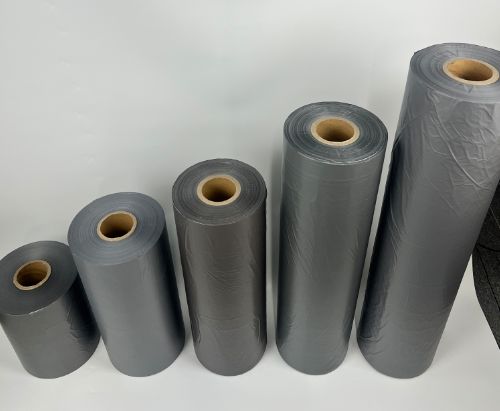
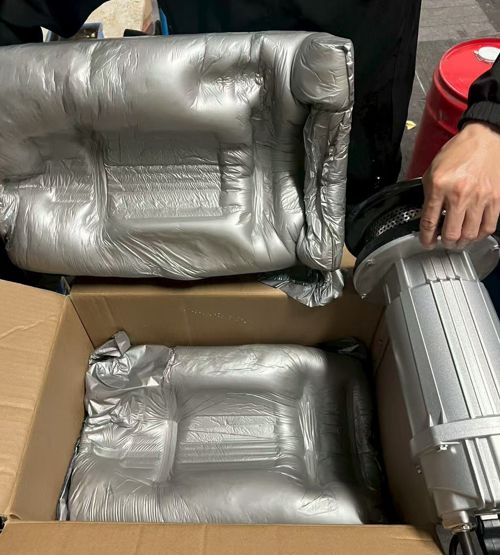
Start with dry products before packing. Use PE film or an inner bag to form a moisture barrier around the item, and let the foam layer add a second barrier between the product and the outside air. Choose a water-resistant carton or a crate with a raised, water-resistant base, and add desiccant where the route or product calls for it. Keep the pack closed and sealed after final inspection.
Protecting Metal Products
Bare machined faces should receive appropriate rust protection before packing. Foam should not trap moisture directly against bare metal, so an inner film or separation layer is used between foam and metal surfaces. Products that are prone to condensation should be stacked away from container walls and kept off the container floor where possible.
CosMolar Support
CosMolar designs the pack around the product and its shipping route, combining moisture protection with foam-in-place cushioning, and validates the solution with free sample testing. For metal parts, machinery, or fixtures going by sea, call 400-812-0328 or visit https://www.cosmolar.com/ to review the moisture protection plan.