 专注发泡胶整体解决方案
The outer carton is the first line of protection for any export shipment. Choosing the right corrugated box depends on flute type, paper grade, and the stacking strength the carton must provide. A box that is too weak crushes under load; one that is over-specified adds unnecessary packaging cost.
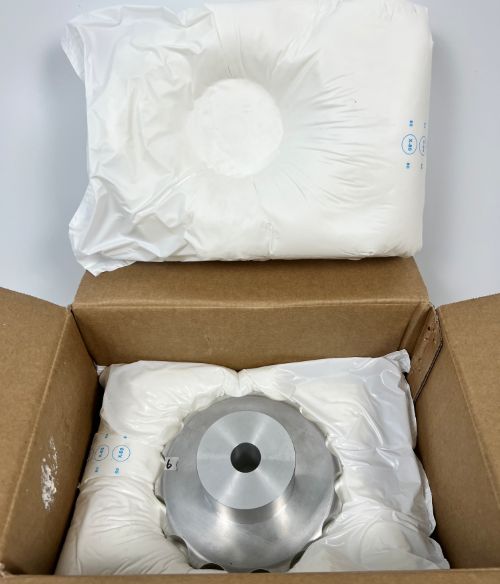
Flute Types
Flute size changes both cushioning and rigidity. A-flute offers thicker cushioning for fragile items but less flat rigidity. B-flute is denser and stronger on edges, suited to heavier goods. C-flute balances cushioning and strength and is a common general-purpose choice. E-flute is a fine, thin board used for lighter retail-style packs and printed surfaces.
Paper Grades
Carton strength depends on both the outer/inner face paper and the corrugated medium. Kraft paper gives stronger, sturdier board; recycled or lower-grade paper is lighter and cheaper but less resistant to bursting and stacking. For sea freight or heavy products, check the bursting strength and edge crush test ratings rather than choosing by board thickness alone.
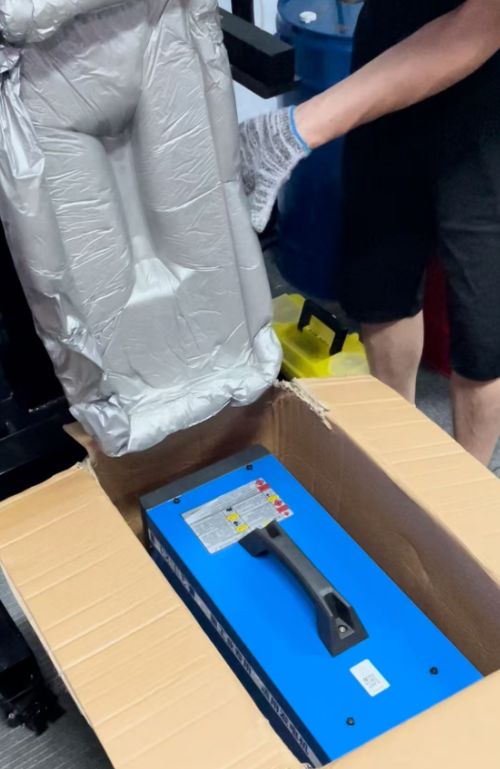
Stacking Strength and Weight
Estimate how many cartons will be stacked above one another and how long the load stays in place. Sea freight keeps cargo stacked for a long voyage, so bottom cartons need stronger vertical compression. Match the board grade to product weight, shipping route, and stacking height, and mark the carton with the stacking direction and maximum load where required.
Pairing with Foam Cushioning
The carton protects the outside and resists stacking and side impact, while foam-in-place packaging fits the product and absorbs vibration and drops inside. CosMolar matches the carton or crate to the product weight and route, pairing it with dispensed foam or hand foam bags that hold the product centered. For help choosing an export carton, call 400-812-0328 or visit https://www.cosmolar.com/.