 专注发泡胶整体解决方案
Wooden crates are a common choice for heavy or high-value export goods, but not every wooden crate can clear customs internationally. Solid-wood crates usually require heat treatment and an IPPC mark, while plywood and engineered-wood crates follow different rules. Understanding this difference helps avoid customs delays and failed shipments.
Why Wood Is Treated for Export
Solid wood packaging can carry insects or larvae, so international shipments follow phytosanitary rules such as ISPM 15. Untreated solid wood may be refused at the destination port or required to be re-treated or destroyed, which creates delays and extra cost. The treatment shows up as an official IPPC mark on the crate.
Heat-Treated Solid-Wood Crates
A solid-wood crate suitable for export must be heat treated to the required temperature and moisture level, and carry the HT (heat treatment) mark together with the IPPC logo. Solid wood offers strong load bearing and is often chosen for heavy machinery, molds, and large equipment. Make sure the treatment record and mark are present before the crate leaves the factory.
Plywood and Engineered-Wood Crates
Plywood and other engineered wood panels are made from glued layers, so they are generally exempt from solid-wood heat treatment and do not need the IPPC mark. These crates are often lighter and lower cost, and they resist warping better than some solid-wood options. Still, check that the panels are dry and the bonding is intact, especially for sea freight where moisture can collect.
Choosing Crates Alongside Foam Cushioning
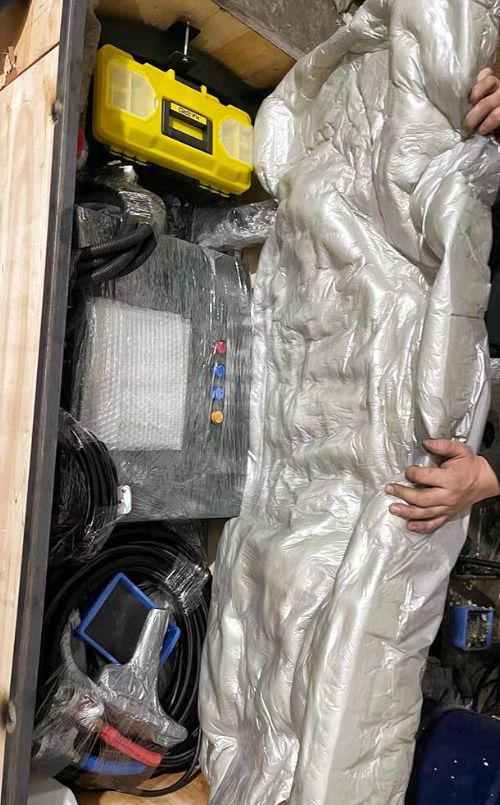
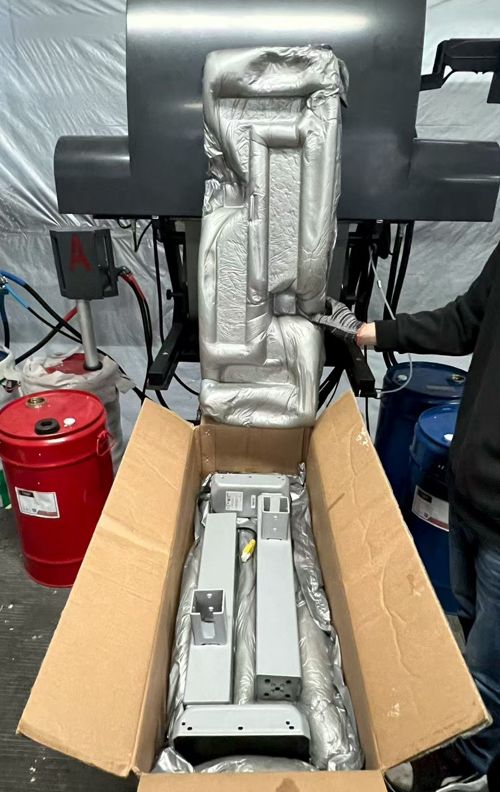
The crate handles external load bearing and side protection, while foam-in-place packaging handles the product fit and cushioning inside. CosMolar matches the crate type to the product weight, size, and shipping route, pairing it with dispensed foam or hand foam bags that hold the product centered and still. For heavy molds, machinery, or fixtures needing an export crate, call 400-812-0328 or visit https://www.cosmolar.com/.