 专注发泡胶整体解决方案
Export buyers often ask whether polyurethane foam cushioning is eco-friendly and whether it can enter EU markets. This article reviews the environmental profile of foam-in-place packaging and the compliance documents exporters usually need to prepare.
Basic Properties of the Cured Foam
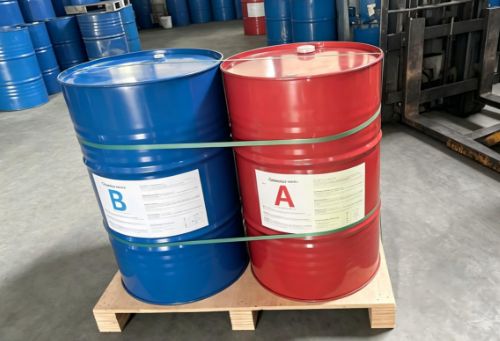
The AB polyurethane foam used in foam-in-place packaging reacts and cures into a closed-cell polyurethane cushion that forms around the product. The cured foam is stable in service, and core consumables have passed EU RoHS testing, with Chinese and English MSDS documents available. Unlike molded foam that must be stocked by model, on-demand dispensing injects only the amount of foam needed for that carton, which keeps material use lean.
Common Compliance Requirements for Export Packaging
Packaging materials entering EU markets are commonly checked against a few requirements: RoHS-type restricted-substance testing to confirm no restricted hazardous substances are present; chemical safety documents such as Chinese and English MSDS for warehousing and customs review; and chemical transport identification covering road, sea, and air freight, confirming the goods move as non-restricted cargo. Recent European packaging rules also pay more attention to packaging reduction and material fate, so exporters should prepare related explanations in advance.
End-of-Life Treatment of Used Foam
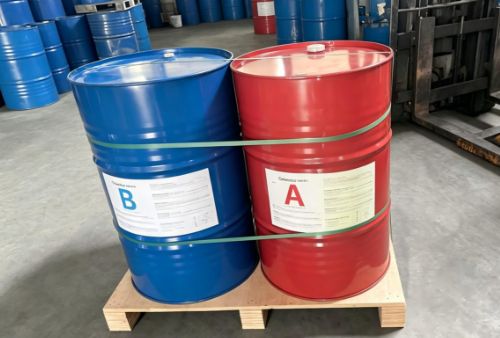
It should be noted that used polyurethane packaging foam is not marketed as a recyclable material. In practice it is recovered and sent to incineration for energy recovery. The more practical environmental direction at the pack-design stage is to reduce consumable use through precise dispensing, and to use fitted cushioning instead of excess preformed foam, which lowers packaging consumption at the source.
CosMolar Compliance Package
CosMolar core consumables have passed EU RoHS testing (CTI, September 2025, Chinese and English reports). Transport identification documents for polyether polyol, MDI, and TPM gun cleaner are complete for 2026 road, sea, and air freight (SICIT, identified as non-restricted cargo). Chinese and English MSDS documents are issued by AZT. These materials can be provided when export customers require them.
If your products ship to Europe and you want to confirm whether the foam packaging meets the target market requirements, call 400-812-0328 or visit https://www.cosmolar.com/ for more on the compliance package.