 专注发泡胶整体解决方案
The most common question from buyers new to foam-in-place is: will the foam chemicals stick to the product? Will they corrode paint, plating or a plastic housing? Will peeling the cured foam lift the surface coating? These are practical concerns. This article covers the forming principle, isolation method and trial-pack validation from several angles.
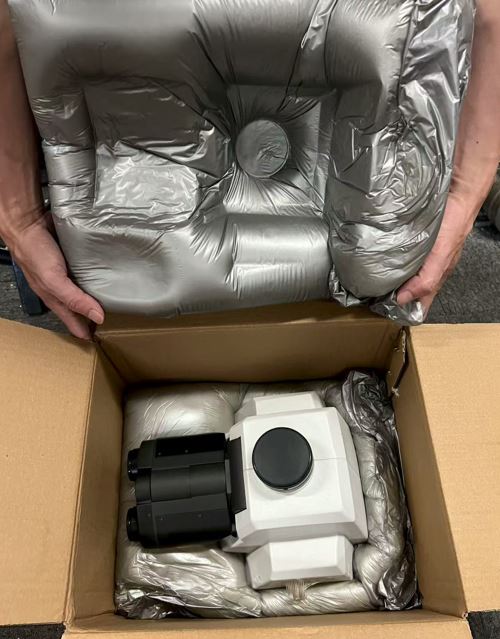
The foam does not actually touch the product
In foam-in-place, the A and B chemicals are mixed and foamed inside a chamber enclosed by PE film. After curing, the foam is wrapped by the film into a cushion; a film or isolation bag sits between product and foam. What follows the product outline is the isolation layer, not the bare foam body. Under normal operation, the cured foam cushion is removed together with the film, and no adhesive is left directly on the product surface.
Which surfaces need isolation first
Polished metal, plated surfaces, painted or baked-finish parts, painted and glazed surfaces, soft rubber components, and thin-wall plastic housings that mark easily should be covered with an isolation bag or liner paper before foaming, so that a torn film does not let foam stick directly. Gilding, brushed textures and mirror surfaces need the isolation layer wrapped in place, with film fit checked at edges and raised points. For products whose surface condition is uncertain, run a small sample on a non-visible area first.
How to control foam amount and pressure
Beyond isolation, foam amount affects surface pressure. Too much foam pushes against the product inside the box, concentrating local pressure on raised and thin-wall areas; the dosage is set by product outline and internal void, with a light 3-5 second press to set, rather than forcing the box full. Heavier products needing stronger support can use 17 or 23 kg/m³ density; general-purpose items use the 6 kg/m³ mainstream grade, and soft, mark-prone products prefer the softer grade.
Validate with trial packing before rollout
Materials react differently to foam and film, so the safe route is free trial packing first: send samples, foam them in the actual packing method, let them cure, remove them, and check for adhesive residue, marks or discoloration before finalizing the bulk insert. CosMolar can support material-compatibility observation and scheme adjustment. More technical details at https://www.cosmolar.com/.