 专注发泡胶整体解决方案
On a real workshop floor, hand foam bags and semi-automatic or fully automatic foam machines do not have to be chosen one over the other. Many plants combine the two by order volume, product size and packing cadence: bags pack small parts, trials and loose orders on demand, while stable bulk products run on machines. This article explains how they divide the work and connect.
Where hand foam bags fit
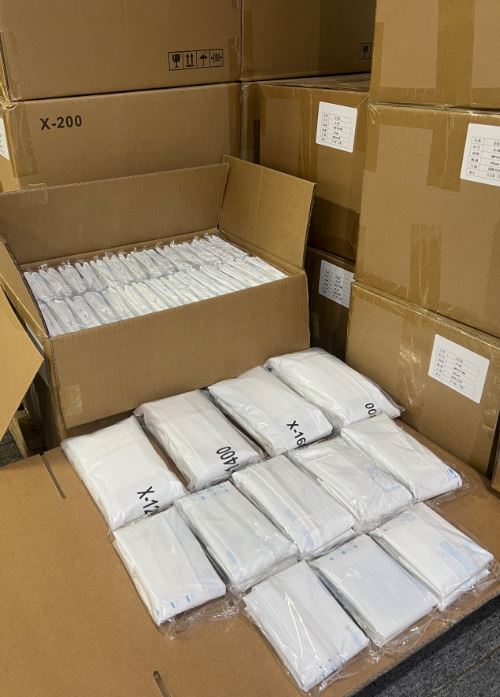
Hand foam bags are pre-sealed A/B chemical bags: press left and right alternately 15-20 times, place the bag in the carton after the pop, then set the product on it and lightly press for 3-5 seconds to form. They need no machine, power supply or chemical drums and are ready to use, suiting small and irregular parts, sampling, unstable order volume or occasional shipments; 18 sizes (X-60 to X-1800) cover tiny parts to large items.
Where foam machines fit
The semi-automatic machine controls foam amount by hand, is simple to learn in about half a day, and suits medium volume and flexible stations; the fully automatic machine sets bag length and chemical amount on a touchscreen, changes over with preset parameters and cuts and seals automatically, suiting stable bulk lines with higher cadence. Machine packing runs faster per piece, with lower per-unit material and labor at large volume.
How the workshop combines them
A common combination: bag packing handles sample approval, small trial orders and loose parts without bringing in equipment for a few orders; once a product's volume stabilizes it moves to machine packing, carrying over the formula and insert scheme confirmed at sampling. CosMolar matches machines, hand bags, A/B chemicals and PE film to product type and daily volume; the whole machine carries a one-year warranty, with 4-hour phone response and 24-hour on-site service in the Pearl River Delta and 48-hour response nationwide.
More workshop schemes at https://www.cosmolar.com/.