 专注发泡胶整体解决方案
Buyers often ask how a packaging scheme is actually decided: thicker foam, a different density, or what looks like experience. In practice a sound cushioning pack follows a basic design flow: understand the product and freight conditions first, choose the cushioning form, run sample validation, and only then finalize for bulk. This article walks through that flow.
Step one: understand the product
First gather weight, outline dimensions, center of gravity, protruding parts, surface material and fragility—the impact level the product can take without damage. Glass, ceramic, thin-wall plastic and precision movements are low-fragility items, while heavier metal housings and castings are comparatively tougher. Whether the surface is painted, plated or bare metal also decides whether a contact-layer barrier is needed.
Step two: analyze the transit environment
Next review how the product travels: road, sea, air or express. Transit time, number of handlings, stacking layers and temperature-humidity conditions differ, and so do requirements for cushion thickness, insert strength and moisture protection. Long sea freight calls for moisture control and stacking load; air freight focuses on handling drops and vibration; express goes through many turns with frequent single-package impacts, so cushioning is usually set more conservatively.
Step three: choose cushioning and locating
Select the insert form by product traits. Irregular parts needing conformance and many-variety small batches fit foam-in-place more flexibly, with no separate mold per item; standard regular parts in large bulk can also be compared against pre-molded inserts. Then set foam density grade, cushion thickness, part partitions and fixing method: heavy parts use a higher density grade, and protrusions keep their own cushion space.
Step four: sample and simulate validation
Foam the scheme in a sample carton first to review conformance, product removal, locating stability and cushion space; where possible, pair it with drop, vibration or transit simulation tests to confirm edges, protrusions and weak faces are protected. If protection proves weak, adjust chemical amount, placement or density grade until the sample passes.
Step five: finalize and bulk supply
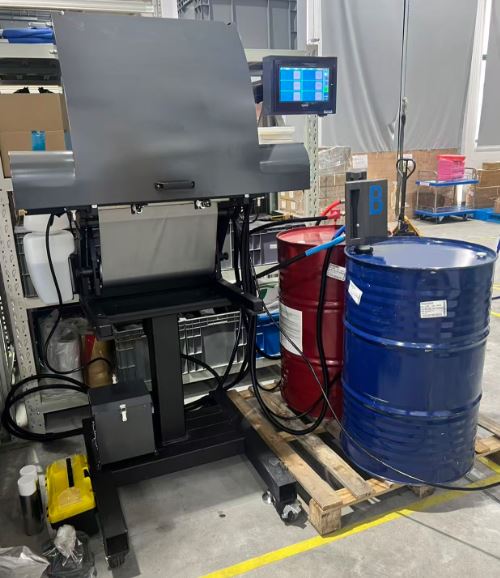
After the sample passes, the scheme is finalized; bulk packing can use a semi-automatic or fully automatic foam machine, supplied with A/B chemicals, hand foam bags and PE film. CosMolar joins assessment at the sampling stage, suggesting a scheme by product weight, fragility and freight mode, and provides sample calibration and operator training.
More cushioning design points at https://www.cosmolar.com/.