 专注发泡胶整体解决方案
专注发泡胶整体解决方案
专注发泡胶整体解决方案
Operating a semi-automatic foam packaging machine comes down to three steps: lay the film, dispense the foam and close the box — one worker can learn the basics in half a day. Dispense roughly two-thirds of the empty space inside the carton, allow 8-15 minutes for curing depending on room temperature, and if the foam comes out uneven, check mixing, chemical temperature and the A/B ratio first. This guide walks through each step, how to judge the amount, and how to fix common problems.
A semi-automatic foam packaging machine is the most practical step once your shipping volume grows: the worker places the product in the carton, lays the film, pulls the trigger to inject foam, and the machine automatically controls the A/B (black and white) chemical ratio and the injected amount. The foam expands around the product and cures in a few minutes into a custom-fit cushion. Compared with hand-activated foam bags, it gives a lower cost per pack and higher output; compared with fully automatic lines, it costs less, takes less space and stays flexible — ideal for a fixed station doing one or two hundred packs a day with changing product sizes. Taking the CosMolar CM-811/CM-812 semi-automatic machine as an example, the operator only places the product and pulls the trigger, handling about 40-80 packs per hour per person, with a footprint of roughly 2 square meters and one operator.
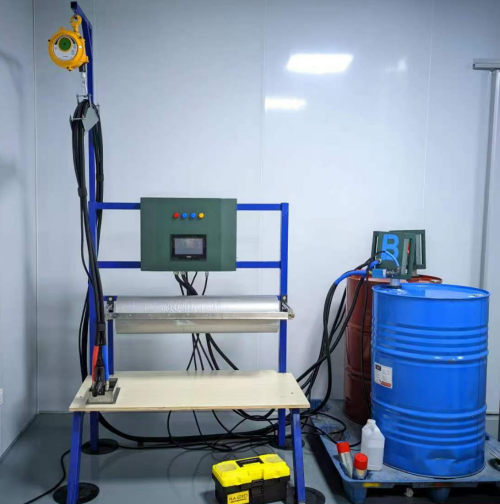
Step 1, warm up: let the machine run for a few minutes so the chemical lines reach a stable temperature — skipping this step is a common cause of uneven foam.
Step 2, lay the film: cover the bottom of the carton and leave extra film around the edges so the foam does not stick to the product.
Step 3, place the product: position it straight; for heavy items or products with a high center of gravity, pour a thin foam base first.
Step 4, dispense: pull the trigger into the gap between the product and the carton wall; use about two-thirds of the empty volume — better a little less than too much.
Step 5, cover and close: lay more film on top, dispense again, close the lid and press lightly, then wait for curing. With practice, one pack takes one to two minutes.
Dispensing amount is the part new operators worry about most. Remember the two-thirds rule:
1. Look at the empty space first: after the product is placed, estimate the remaining gap around it and inject about two-thirds of that volume — the foam will expand to fill the rest;
2. Build a base for heavy items: pour a base layer first, let it partially cure, then place the product and inject again to fill the sides;
3. Less is safer: too much foam overflows and wastes chemicals, too little leaves the product loose. Start small on the first pack and adjust by watching how the foam expands.
Curing depends mainly on room temperature: generally around 8-10 minutes above 25°C and 10-15 minutes below 25°C (always follow the manufacturer's manual). The check is simple: press the carton edge with a finger — when the foam bounces back firmly and no longer deforms, curing is complete. Slow foaming in winter is normal; warm the chemical drums to room temperature beforehand and keep the workshop above about 15°C and the improvement will be clear.
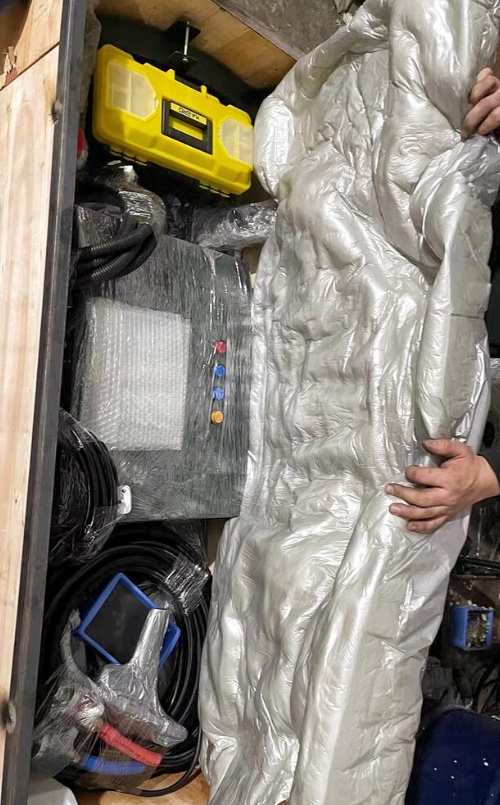
Foam that is coarse on one side, rough on the surface or full of air pockets usually comes from three places:
1. Check mixing: poor mixing gives uneven cell size — check mixing time and the condition of the blade;
2. Check chemical temperature: the ideal working range for the black and white chemicals is about 20-25°C; too cold slows the reaction, too hot starts foaming too early;
3. Check ratio and pressure: fluctuation in the A/B ratio or injection pressure makes density unstable — verify against the machine settings and do not keep using a nearly empty drum;
4. Clean the gun daily: rinse the nozzle with cleaner after each shift. A blocked nozzle from cured residue is the most common reason for abnormal foaming.
Foam machines run every day, so maintenance is just three habits: clean the gun nozzle daily to prevent blockage; check the mixing blade and chemical pump regularly and replace worn parts in time; and store the A/B chemicals properly — especially wrap the joint between the red drum (A component) opening and the pump with waterproof tape or stretch film to reduce air flow and stop the A component from crystallizing after contact with moisture. Small habits like these keep the machine stable for years.

Q: How many packs can a semi-automatic machine do per day?A: One operator handles roughly 40-80 packs per hour depending on the product and skill level, so two to three hundred packs a day is realistic; for higher volume, move to a fully automatic line.
Q: Foam keeps overflowing — what should I do?A: Reduce the dispensing amount first, then check that the film has enough margin and aim the nozzle into the gap rather than at the product surface.
Q: Foaming is very slow in winter. Is that normal?A: Yes, low temperature extends the reaction time. Warming the chemicals and keeping the room above about 15°C will clearly help.
Q: Can I switch to another brand of A/B chemicals?A: Use chemicals from the same formulation family as the machine. Mixing different manufacturers' chemicals is a common hidden cause of density and curing problems.
A semi-automatic foam packaging machine is the most cost-effective step once volume grows: automatic ratio control, one operator, and a low cost per pack, with simple operation and maintenance. Remember to leave film margin, use the two-thirds rule, judge curing by temperature and follow the three checks plus daily cleaning — and you will rarely go wrong. CosMolar, the source factory for foam-in-place packaging, offers semi-automatic and fully automatic foam machines, A/B chemicals and film rolls as a one-stop supply, with free sampling and operation training. Bring your product for a trial pack.
Prices above are for reference only; the final quote comes from our sales team. For inquiries, contact CosMolar: 400-812-0328 / +86 755 2780 7490, official website https://www.cosmolar.com/