 专注发泡胶整体解决方案
专注发泡胶整体解决方案
专注发泡胶整体解决方案
Packaging valves, pumps and hardware comes down to three jobs: prevent rust, absorb shock and protect surfaces. Flange faces, valve stems and machined surfaces need anti-rust oil or VCI film first, then a foam-in-place cushion that forms exactly around the product, and finally proper moisture protection and palletizing for ocean freight. Do these in order and most damage and rust claims simply stop happening. This guide walks through the complete packing sequence, from domestic cartons to export crates.
Valves, pumps and hardware are not ordinary fragile goods. They carry three risks at the same time. First, surface precision: a scratched flange face, valve stem, thread or machined surface often means rework or a complete loss, and this is the top reason valve suppliers face claims. Second, weight: heavy parts have more inertia, so the same road vibration creates far more impact force. Third, ocean freight: a long sea voyage with high humidity turns unprotected metal surfaces rusty before the customer opens the crate. The answer is not "add some foam" but a proper sequence: rust protection first, cushioning second, moisture control last.
Do the steps in this order:
Step 1, rust protection: apply anti-rust oil or wrap uncoated machined surfaces in rust-preventive paper. For precision parts, use VCI (vapor corrosion inhibitor) film, which releases protective vapor inside a sealed space and guards the metal without touching it;
Step 2, protect vulnerable spots: fit plastic caps over flange faces, and wrap stems, hand wheels and exposed threads so they never take direct force;
Step 3, moisture barrier: line the carton with a moisture-proof film or add desiccant, and keep metal parts away from direct contact with the carton wall;
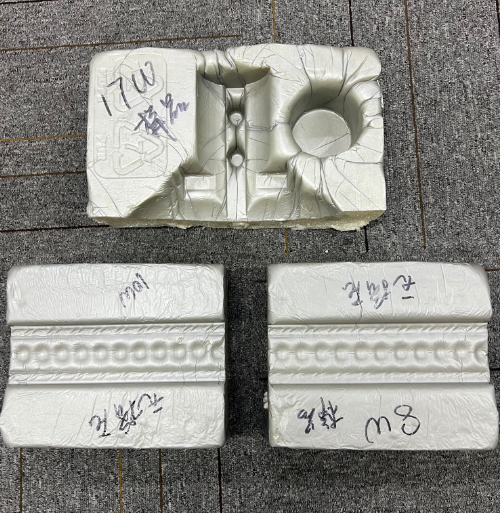
Step 4, cushion and lock: inject foam-in-place chemicals into the carton so the expanding foam grips the product firmly with no movement.

The most common way to pack valves and hardware with foam-in-place is the "sandwich method", three steps:
1. Build a base: inject foam into the carton bottom first, wait a few seconds for partial curing, then place the product on top so the base matches its outline;
2. Lock the sides: position the product straight, then inject foam into the gap between the product and the carton wall, using roughly two-thirds of the empty volume; the foam expands and fills the rest;
3. Cover and close: lay film over the top, inject another layer, close the lid and press lightly, then wait for curing, normally 8-15 minutes depending on room temperature. The cured foam holds the product so tightly that it cannot shift.
Public drop-test videos using this method show valves, pumps and auto parts surviving drops from over one meter on every edge, face and corner without damage.
| Product type | Shipping volume | Recommended option | Why |
|---|---|---|---|
| Samples, small batches of hardware | A few to dozens per day | Hand-activated foam bags | No machine needed, press and use, controlled cost per pack |
| Small and medium valves, pump bodies, multi-way valves | Dozens to a few hundred per day | Semi-automatic foam machine | Automatic A/B ratio control, one operator, 40-80 packs per hour |
| Large volume, standard lines | Hundreds per day or more | Fully automatic foam machine | Steady output for continuous production |
The rule is simple: follow your shipping volume. Start with foam bags when volume is low, move to a semi-automatic machine when it stabilizes, and only go fully automatic when production is really at line scale.

Exporting valves and hardware by sea needs four extra checks:
1. Stronger moisture control: sea voyages are long, so add desiccant, line the carton, and keep metal parts off the carton walls;
2. Palletize and strap: after cartoning, palletize and stretch-wrap so nothing shifts inside the container;
3. Consider replacing wood crates: many exporters still use wood crates plus foam board, which are heavy and costly. In many cases foam-in-place plus a strong carton can replace part of the crate's internal cushioning, cutting weight and freight cost;
4. Export compliance: wood crates subject to fumigation must follow ISPM-15. A carton-plus-foam approach can avoid this step entirely, depending on destination rules.
Q: How do we best protect valve flange faces?A: Use anti-rust oil plus plastic caps on the faces, and let the foam cushion keep all force away from them. With all three in place, damage is rare.
Q: Will heavy parts crush the bottom foam?A: Build a thicker base for heavy items, wait for partial curing before placing the product, and use a denser foam grade when needed. The support is strong enough.
Q: We ship small volumes. Do we need a foam machine?A: No. Use hand-activated foam bags below a couple of hundred packs per day, and only consider a semi-automatic machine when volume grows.
Q: Can foam-in-place replace wood crates?A: For small and non-standard parts it often replaces the internal cushioning of a crate. Very large or very heavy equipment still needs an engineered assessment, so run a trial first.
Packing valves, pumps and hardware is not complicated: rust protection first, cushioning second, moisture control last, with flange faces protected separately and a cushion that fits like a glove. For export, add moisture control, palletizing and compliance checks, and damage claims come down fast. CosMolar, the source factory for foam-in-place packaging, supplies foam bags, semi-automatic and fully automatic foam machines, A/B chemicals and film rolls as a one-stop package, with free sampling. Bring your valve or hardware for a trial pack — the proof is in the drop test.
Prices above are for reference only; the final quote comes from our sales team. For inquiries, contact CosMolar: 400-812-0328 / +86 755 2780 7490, official website https://www.cosmolar.com/