 专注发泡胶整体解决方案
Cushioning packaging cannot follow one standard across every shipping channel. Sea freight, air freight, and express delivery expose goods to different levels of vibration, impact, and rough handling. Choosing the right shock protection level starts with understanding how each mode handles cargo.
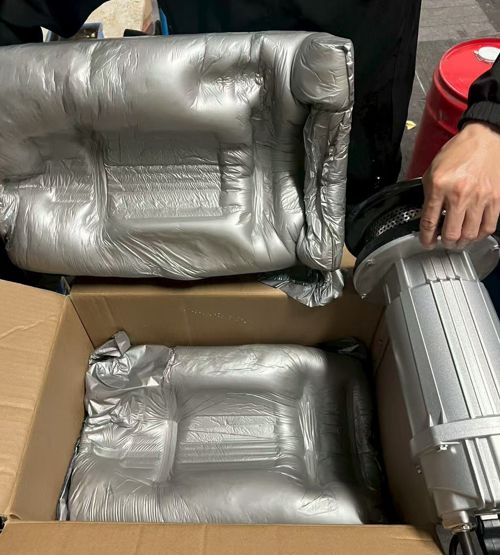
Sea Freight: Steady Vibration, Long Duration
Inside a shipping container, vibration frequency is relatively low but lasts for a long voyage, and cargo must withstand long-term stacking and sway. The priorities here are moisture protection, pressure resistance, and securing the unit in place. A medium foam cushion is usually sufficient, paired with PE film to block moisture and a carton or crate strong enough to bear the load of goods stacked above.
Air Freight: Frequent Transfers, Higher Impact Risk
Air cargo is loaded and unloaded several times at origin, transfer hubs, and destination airports, and cabin temperature can change along the route. Compared with sea freight, air packaging faces more manual handling and collision. Use a medium-to-high cushioning level, strengthen the four corners and edges, and leave separate protection space for protruding parts such as ports and shafts.
Express: Most Aggressive Sorting, Highest Cushioning Grade
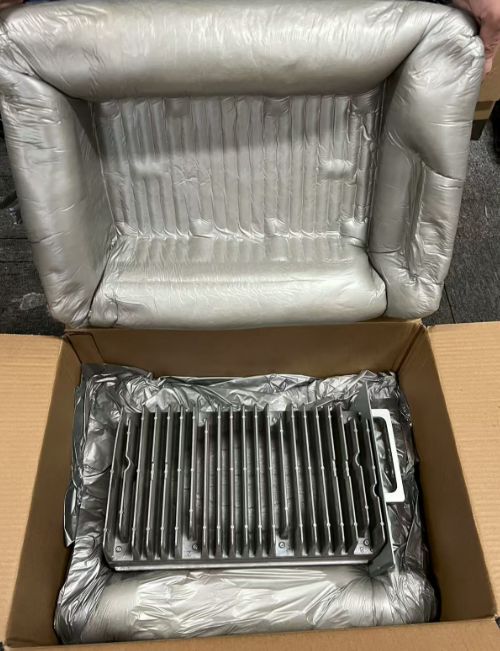
Express parcels go through repeated sorting, scanning, and throwing, so the chance of being tossed or dropped is the highest, and the drop height standard is set accordingly. Products shipped by express need a thicker foam layer; for high-value or fragile items, switch to 17kg/m3 or 23kg/m3 high-density polyurethane foam and add corner protectors. Glass, ceramic, and lens products should take one grade higher still.
Adjust by Weight and Value
Weight and value also matter. Heavy items move slowly and use a lower drop height but need stronger load bearing; light small parts are tossed higher, so the drop height should be set higher. High-value, precision, and irregular items should take the higher end of the range. After the pack is designed, validate it with a drop test rather than relying on thickness alone.
How CosMolar Supports Selection
CosMolar engineers recommend foam density and cushion thickness based on product weight, shape, and shipping route, then validate with free sample testing and a drop test before bulk rollout. In long-term use, foam-in-place packaging can bring breakage below 0.5% and keep arrival quality above 99%. To discuss your product, call 400-812-0328 or visit https://www.cosmolar.com/.